 Tobi Fadolapo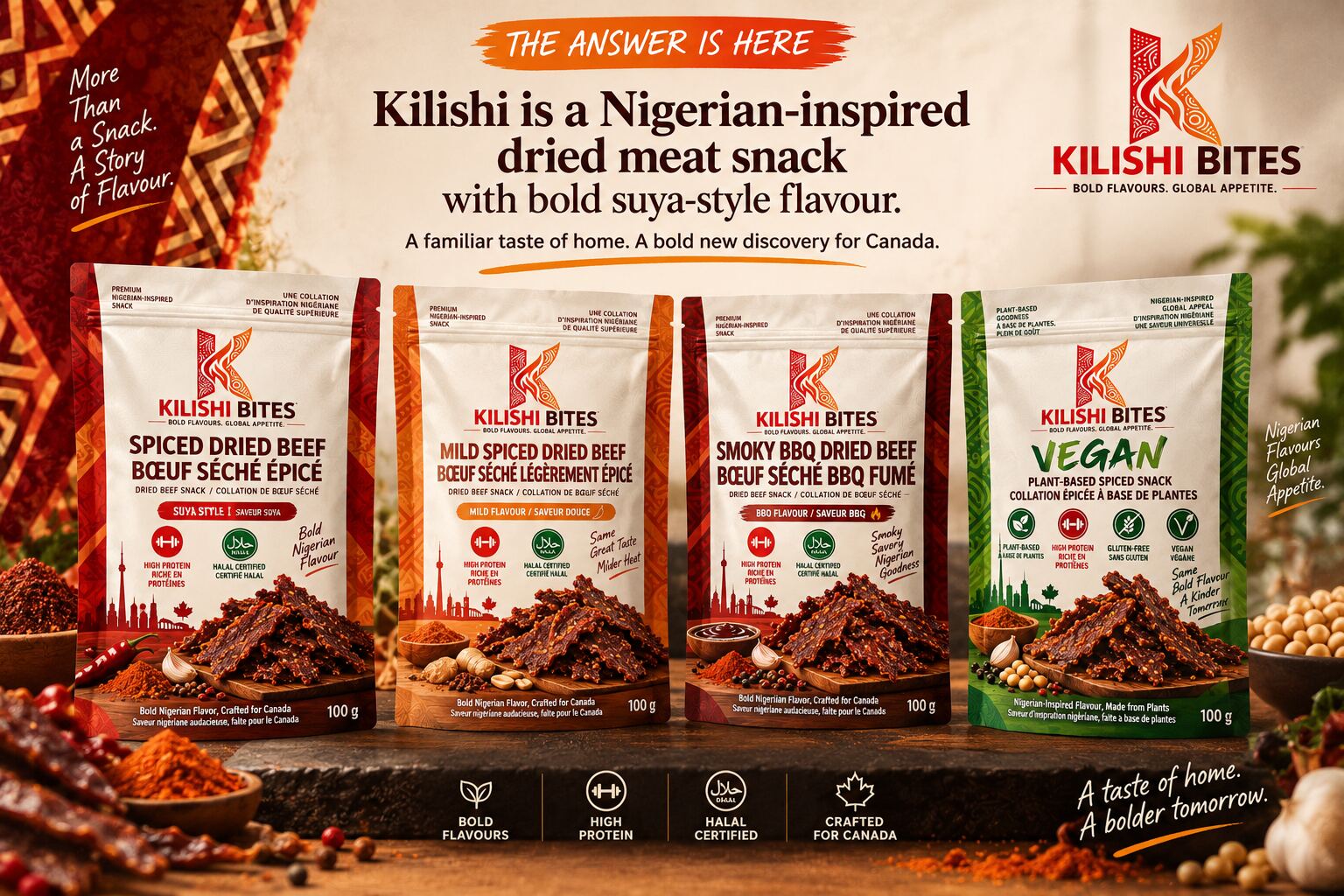
- Challenge
- Almost no Canadian awareness of kilishi, plus barriers around spice level, bilingual labelling and meat-product regulation.
- Audience
- Nigerian and West African diaspora first, then multicultural explorers aged 25–45 and health-conscious flexitarians.
- My role
- Everything: category research, positioning, packaging design, creative concept, copy, channel plan, budget and measurement.
- Status
- Conceptual. Built as coursework for a fictional brand entering a real market; never produced or media-tested.
The brief
Kilishi is a Nigerian dried-meat snack: thin sheets of beef cured with a suya spice paste of groundnut, ginger and chilli. In Nigeria it needs no explanation. In Canada it is a word almost nobody can read aloud, sitting in a snack aisle already owned by jerky brands with thirty years of shelf presence.
So the problem was never flavour. It was four separate barriers stacked on top of each other: nobody knows the word, nobody knows how hot it is, the category is regulated (bilingual labelling and meat-product rules), and the product looks close enough to jerky that shoppers would price-compare it against a cheaper, familiar bag.
The communication objective I set was to position Kilishi Bites as authentic but approachable, and to drive awareness and trial among two very different groups at once without diluting the product for either.
Why the category was worth entering
- Canadian savoury snacks reached USD 3.34 billion in 2023 at 261.3 million kg of volume, projected to USD 4.42 billion by 2028 at 5.7% CAGR (MarketLine). Statista puts 2023 retail sales higher, at roughly USD 5.03 billion, because it defines the category more broadly.
- Urban multicultural shoppers are actively seeking authentic global flavours, which is where a culturally specific product can out-compete private label instead of losing to it on price.
Who it was for
I built the plan around three audiences in sequence rather than one broad target, because the first group buys on recognition and the others buy on curiosity. Getting the order wrong would have meant explaining the product to people who already knew it, and assuming knowledge in people who had none.
- Diaspora Nostalgics
- Primary. Nigerian and West African immigrants looking for a familiar flavour and a cultural connection. They establish credibility and early velocity.
- Multicultural Explorers
- Growth. Urban adults 25–45 who enjoy discovering culturally distinctive food. They need the word explained and the heat level made obvious.
- Health-Conscious Flexitarians
- Expansion. Shoppers after portable protein and clean ingredients, reached through the Mild and plant-based variants.
I want the taste and emotional connection of home, or an authentic new flavour. But I need to understand the product quickly and know that it fits my lifestyle. The consumer insight the whole campaign hangs on
That insight exposed four tensions I had to design against: authenticity versus unfamiliarity, bold flavour versus fear of excessive heat, premium quality versus price sensitivity, and cultural specificity versus broad Canadian appeal.
The idea: turn the word into the campaign
Most Canadians have never heard of kilishi. Diaspora consumers already know exactly what it means. That gap is normally treated as a problem to solve with explanation. I treated it as the campaign.
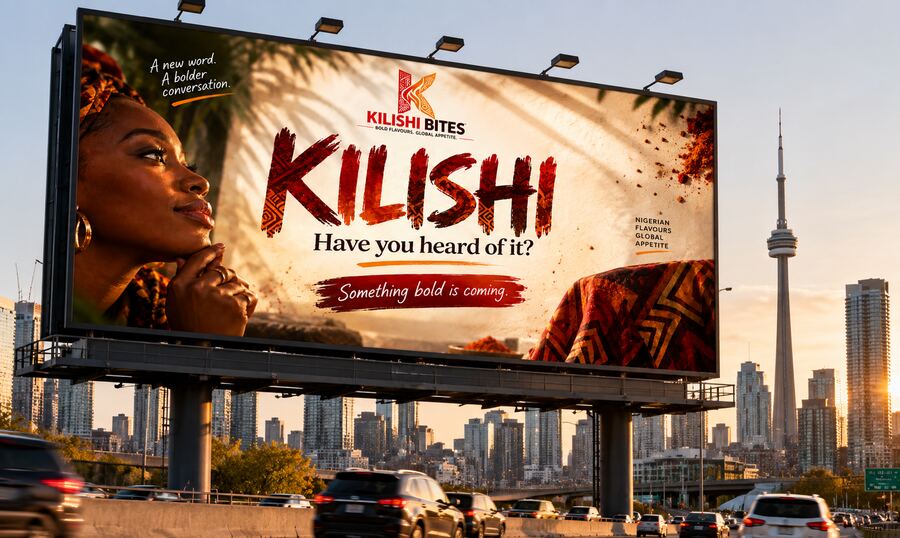
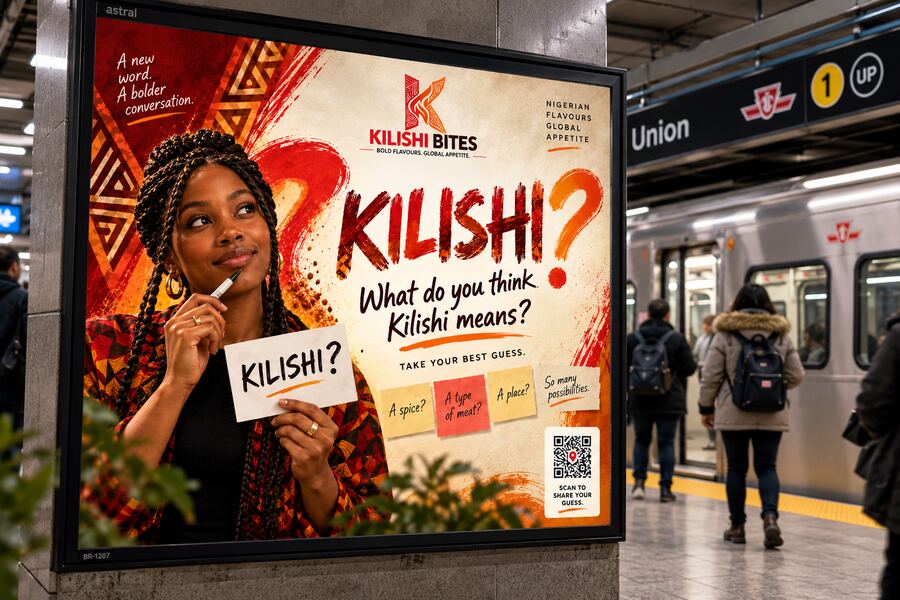
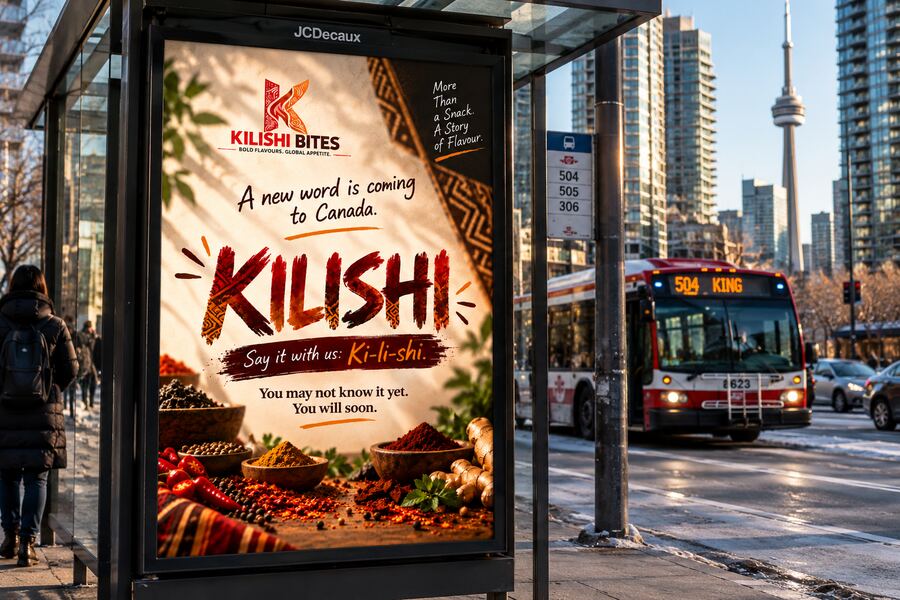
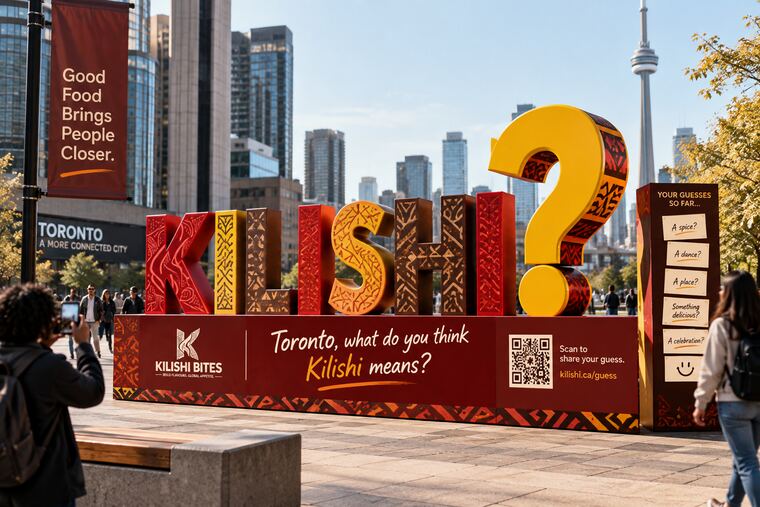
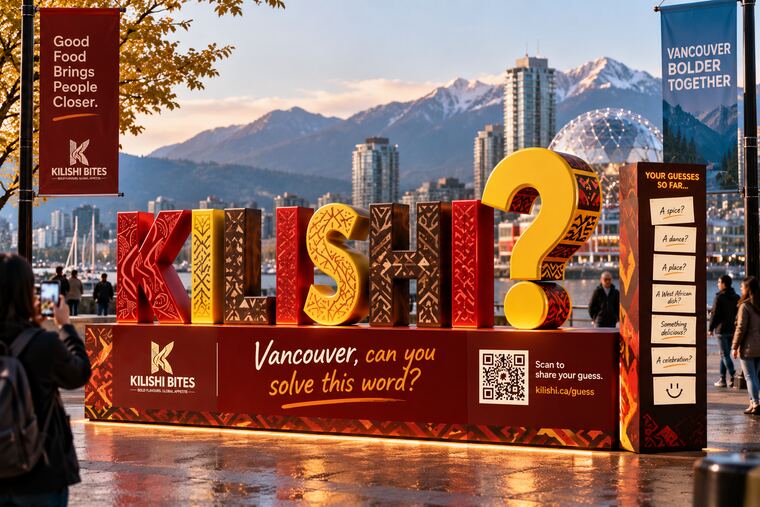
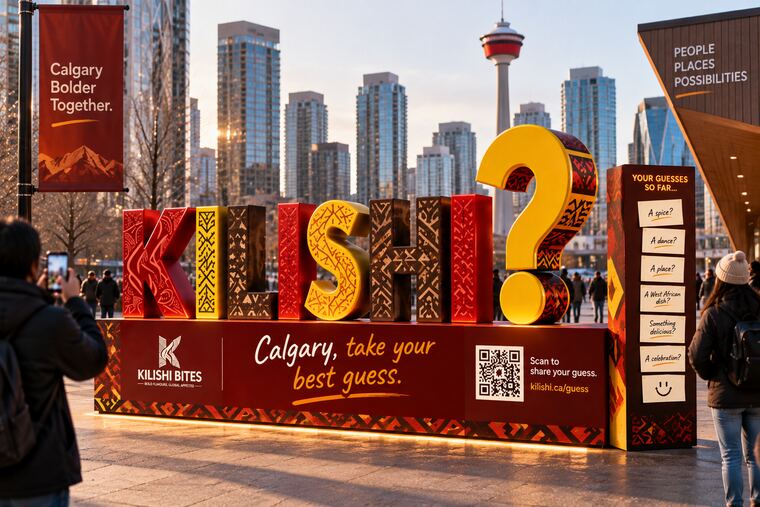
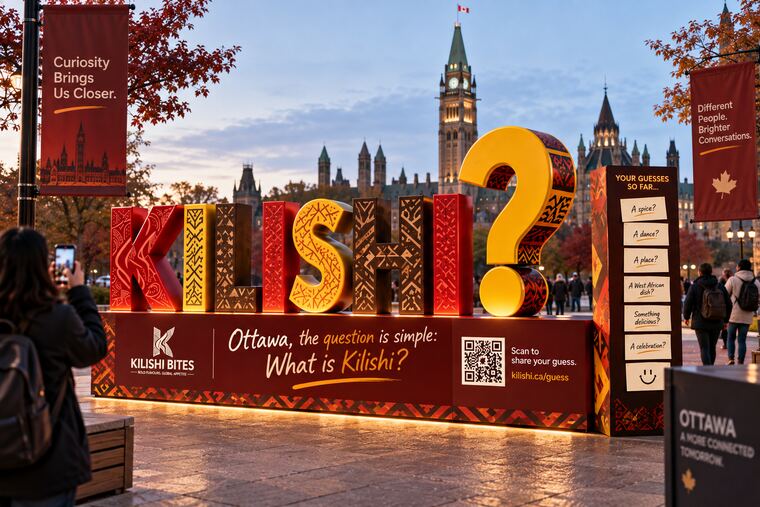
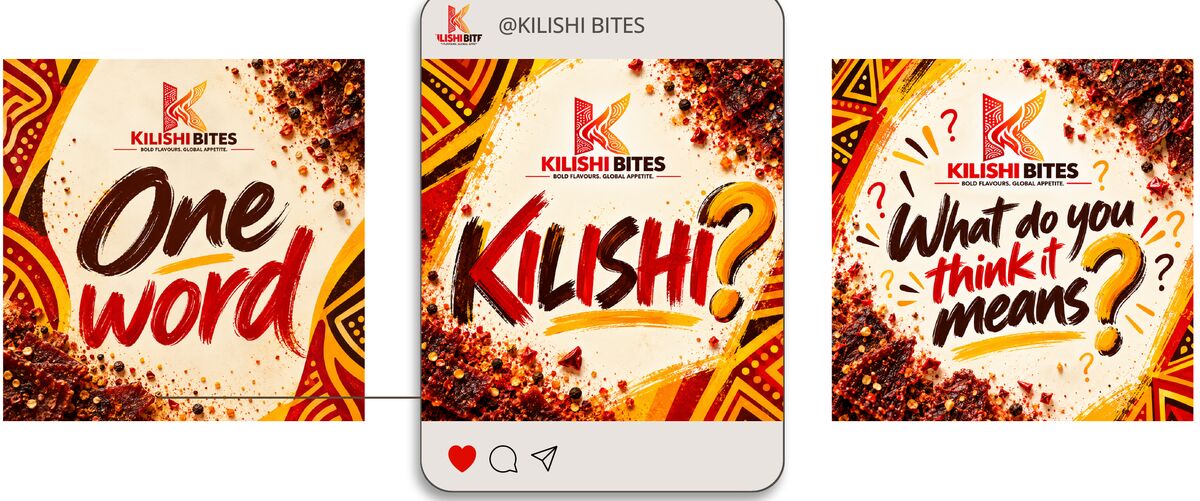
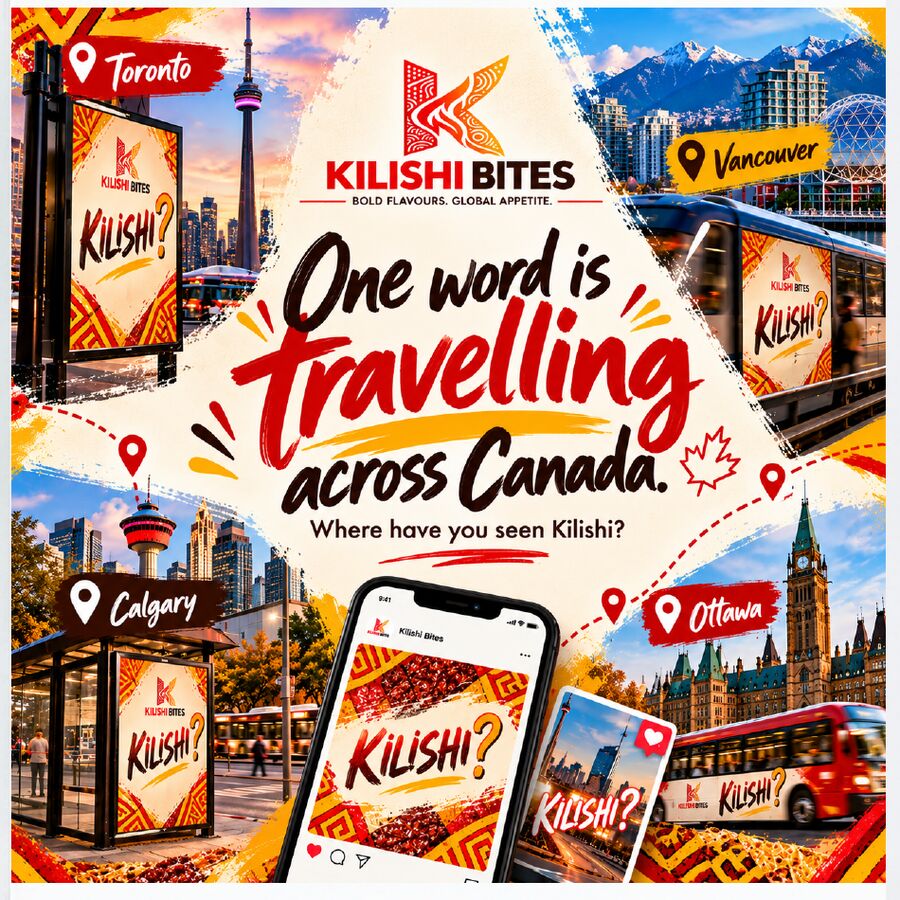
The Kilishi Translation makes the unfamiliar word the hook. For four weeks before launch, nothing explains it. Bold typography puts KILISHI in transit stations, on billboards and across social, and asks people to guess. Creators ask friends, coworkers and strangers what they think it means. Three-metre letter installations land in Toronto, Vancouver, Calgary and Ottawa, each one inviting a city to take its best guess.
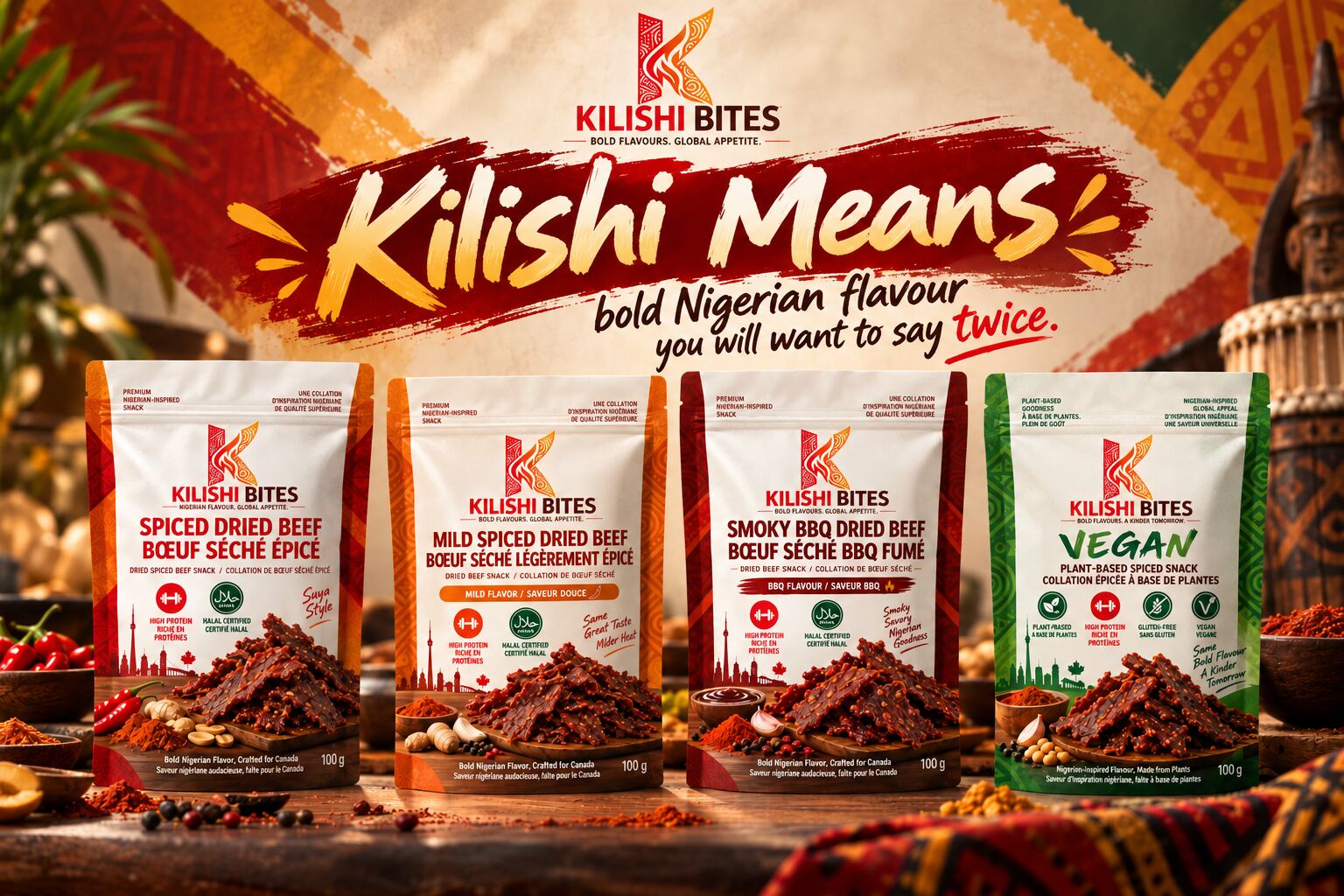
Then the product arrives with the answer, and the line that rewards anyone who tried to say it: bold Nigerian flavour you will want to say twice.
The purpose was to turn unfamiliarity into participation, so that education felt like a game rather than a lecture. The diaspora audience gets to be the group that already knows, which is its own kind of invitation.
The packaging system
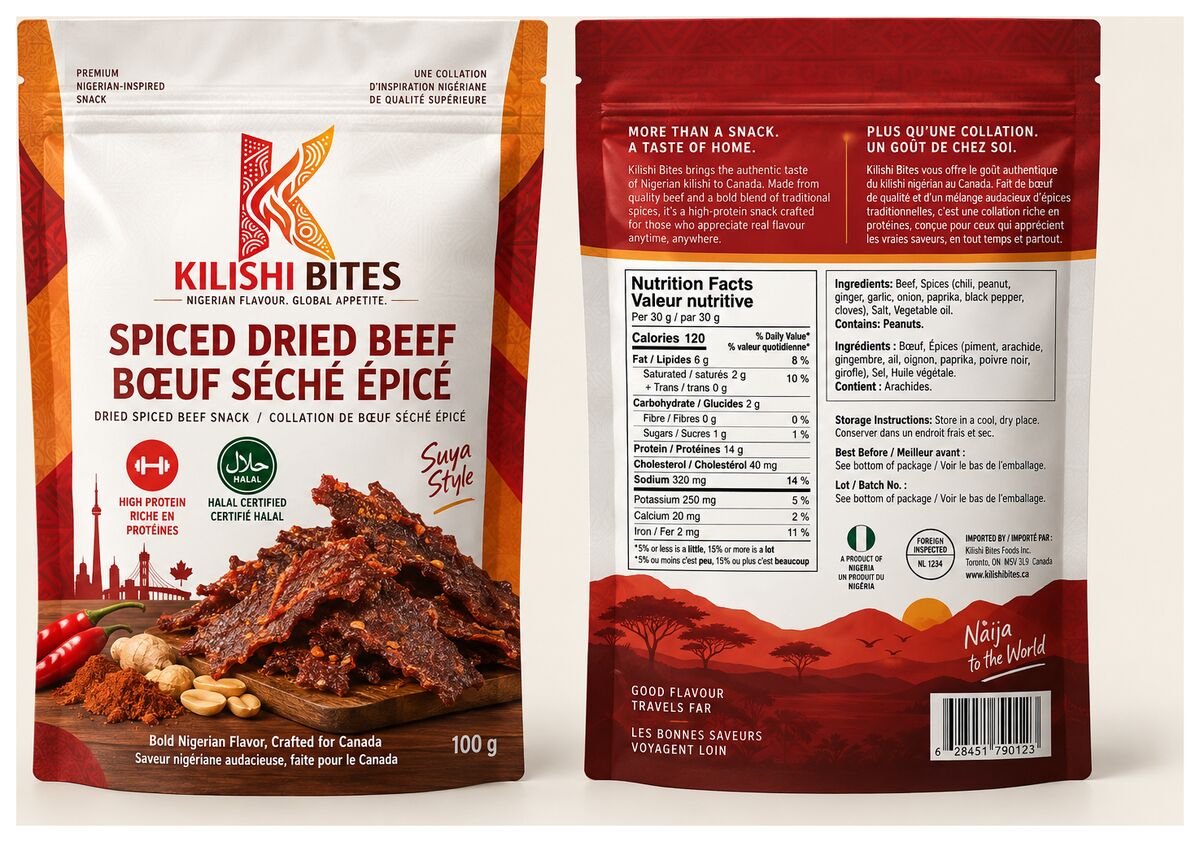
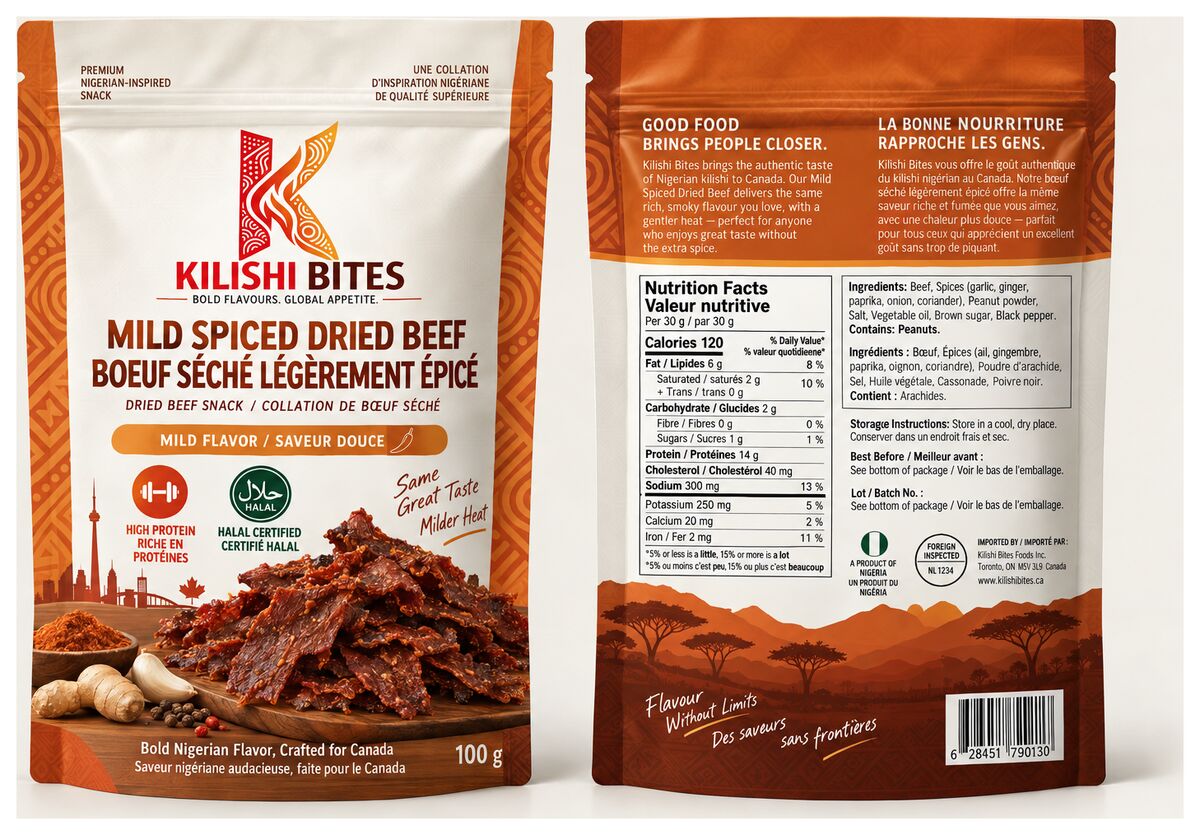
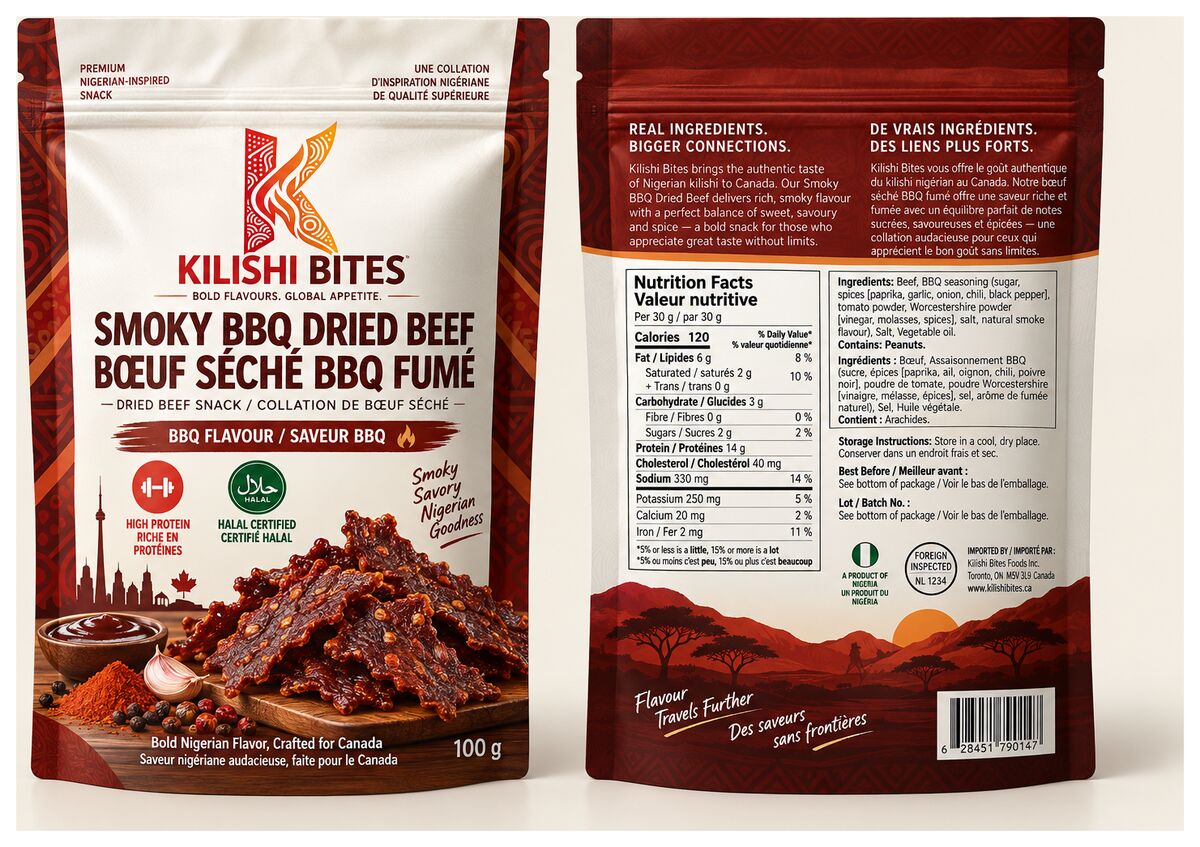
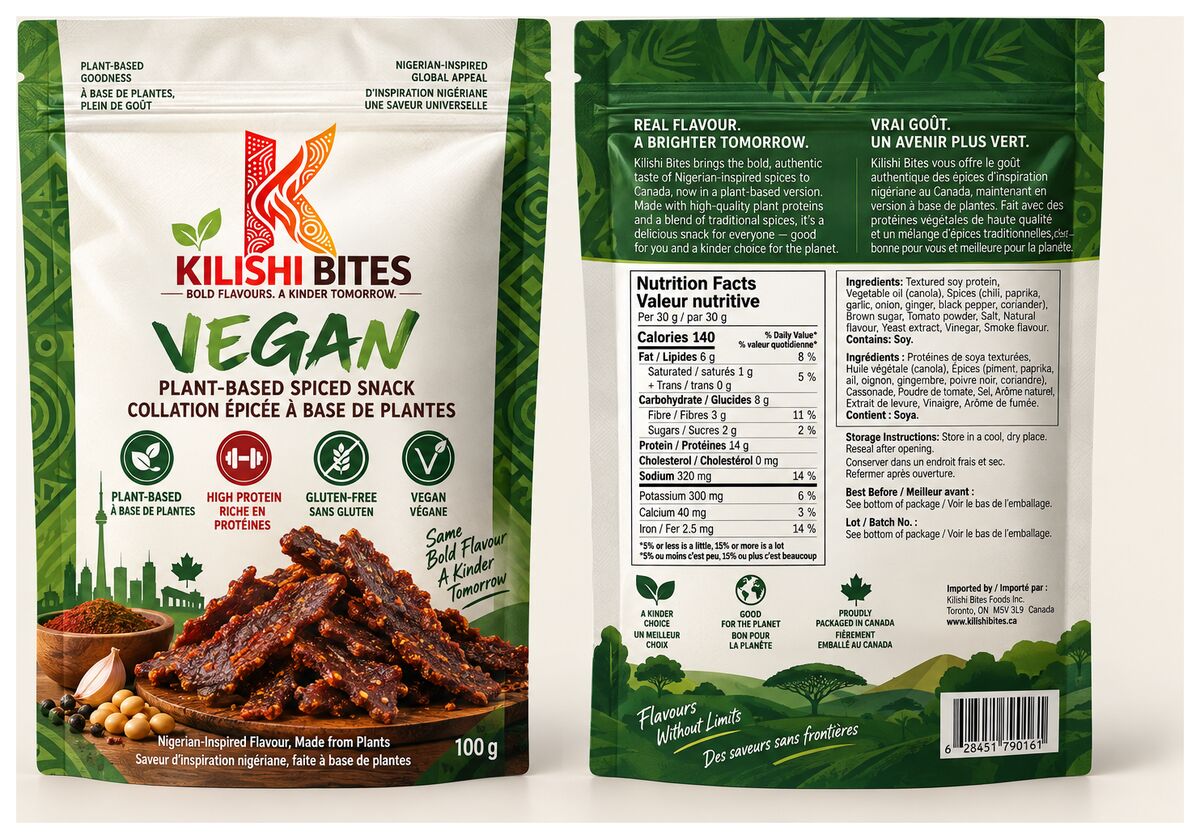
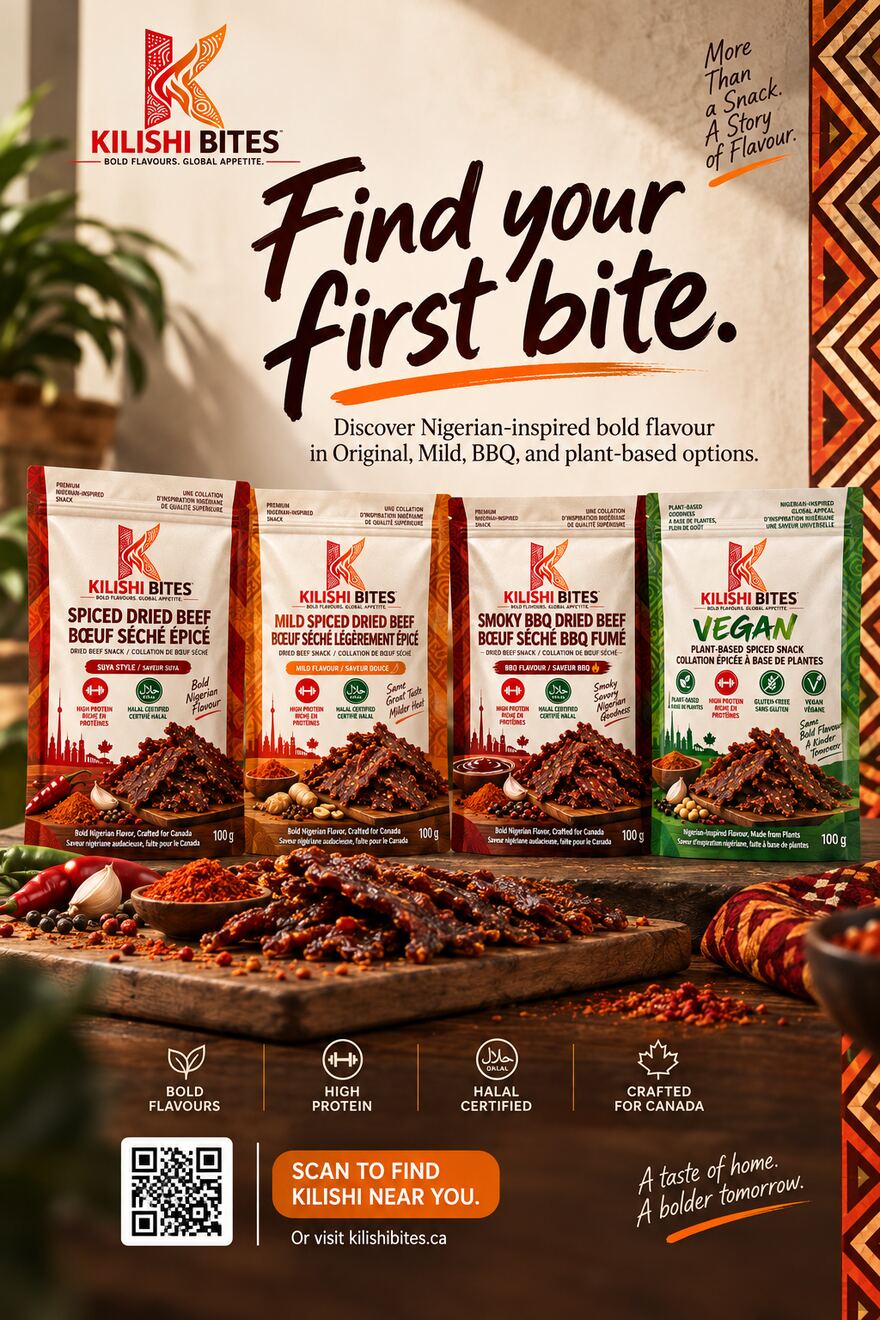
In a new category entry the pack is the single most important media asset, because it is the only one that reaches a shopper at the moment of decision. I gave each pack six jobs: say what the product is, say what it tastes like, show how spicy it is, show whether it is halal or plant-based, say why it is different, and make it obvious which Canadian snack occasion it belongs to.
Nigerian-inspired adire patterns carry the cultural identity. A visible heat-level system and a consistent master-brand architecture carry the reassurance. Every pack is fully bilingual, which is a regulatory requirement in Canada and, handled properly, a credibility signal rather than a compromise.
Pre-launch: ask, do not explain
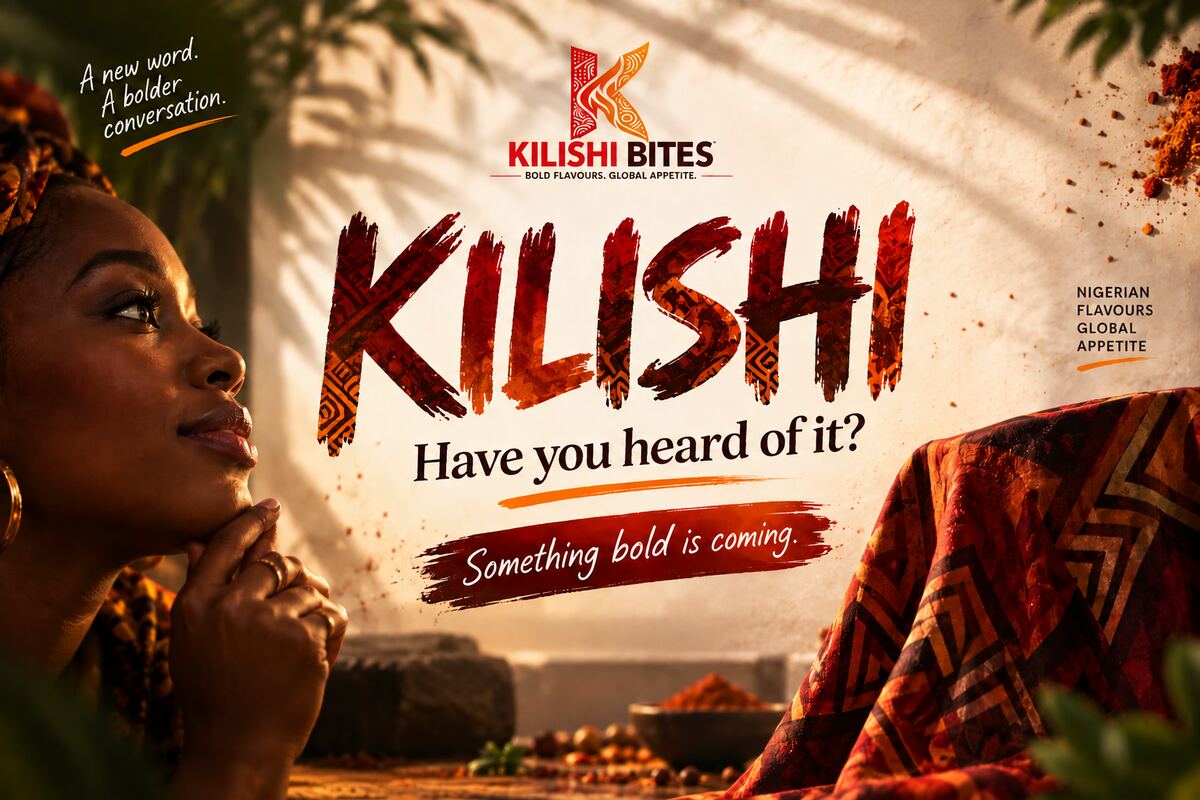
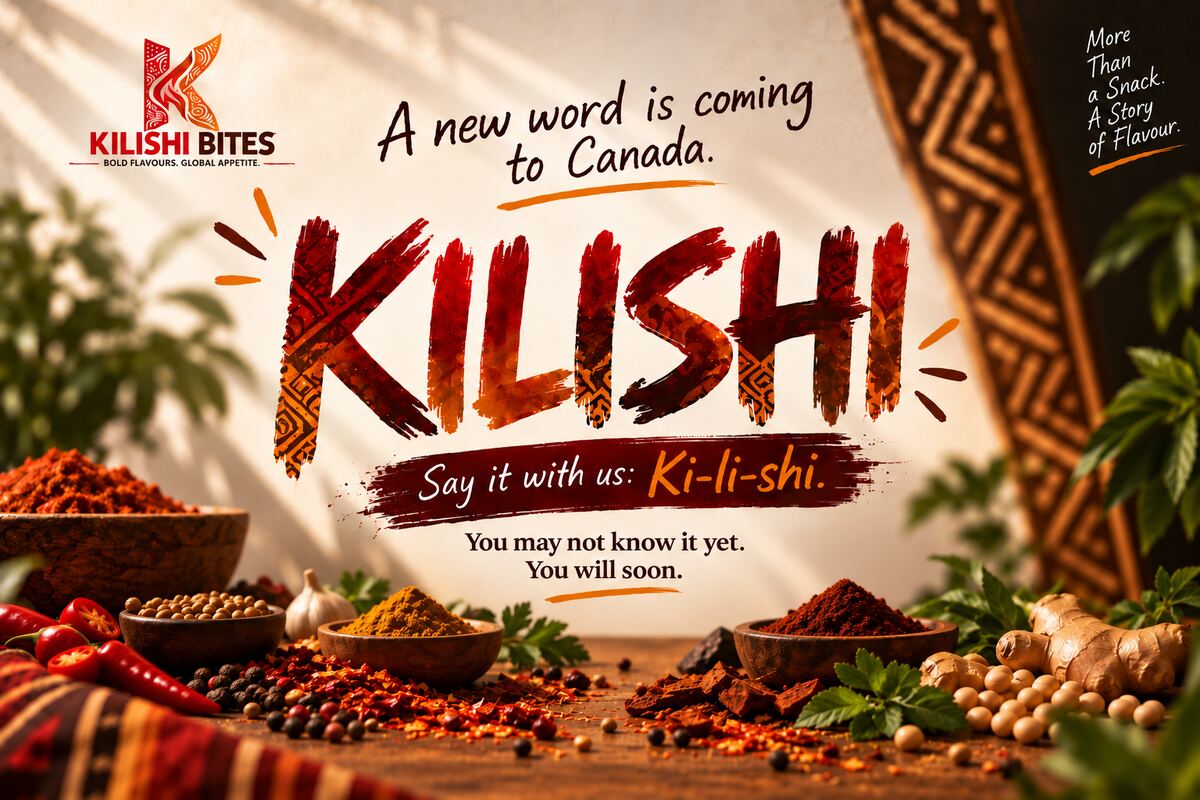
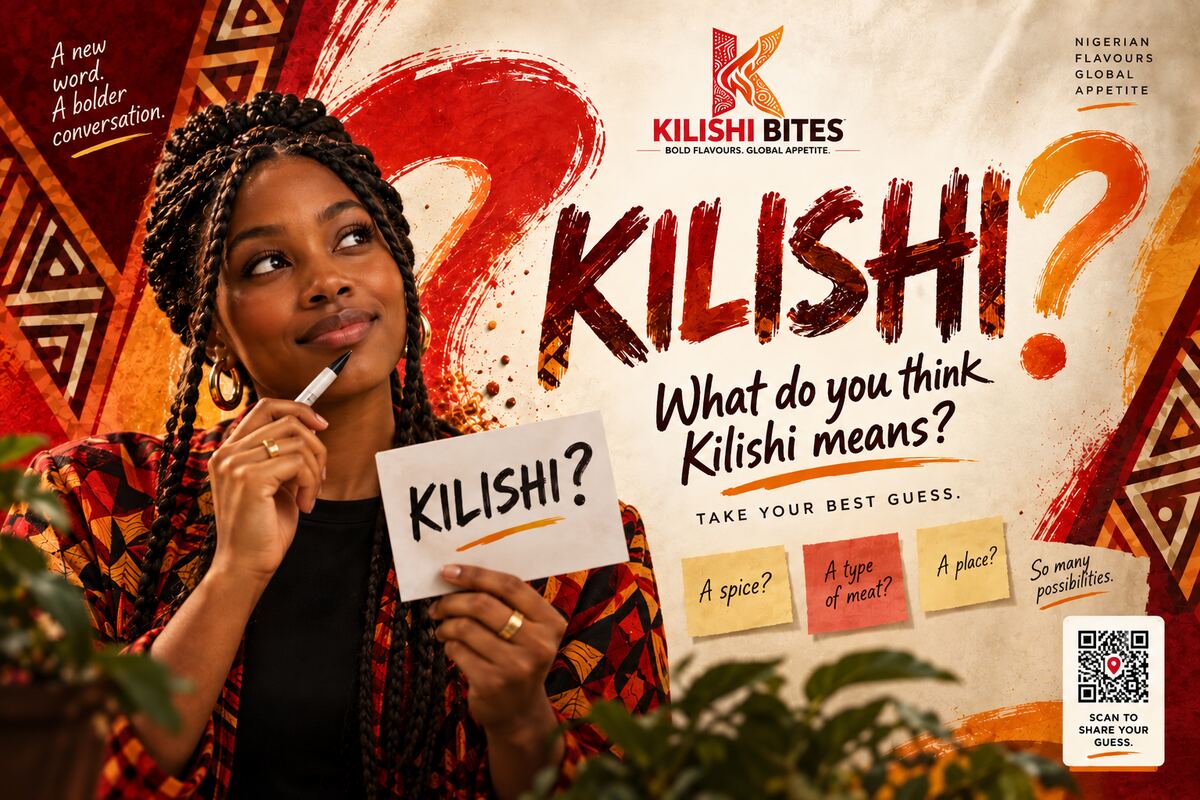
The teaser work had one rule. Never say what kilishi is. Every execution puts the word forward and leaves the audience with a question, a phonetic hint, or an invitation to guess, so the reveal has something to land on.
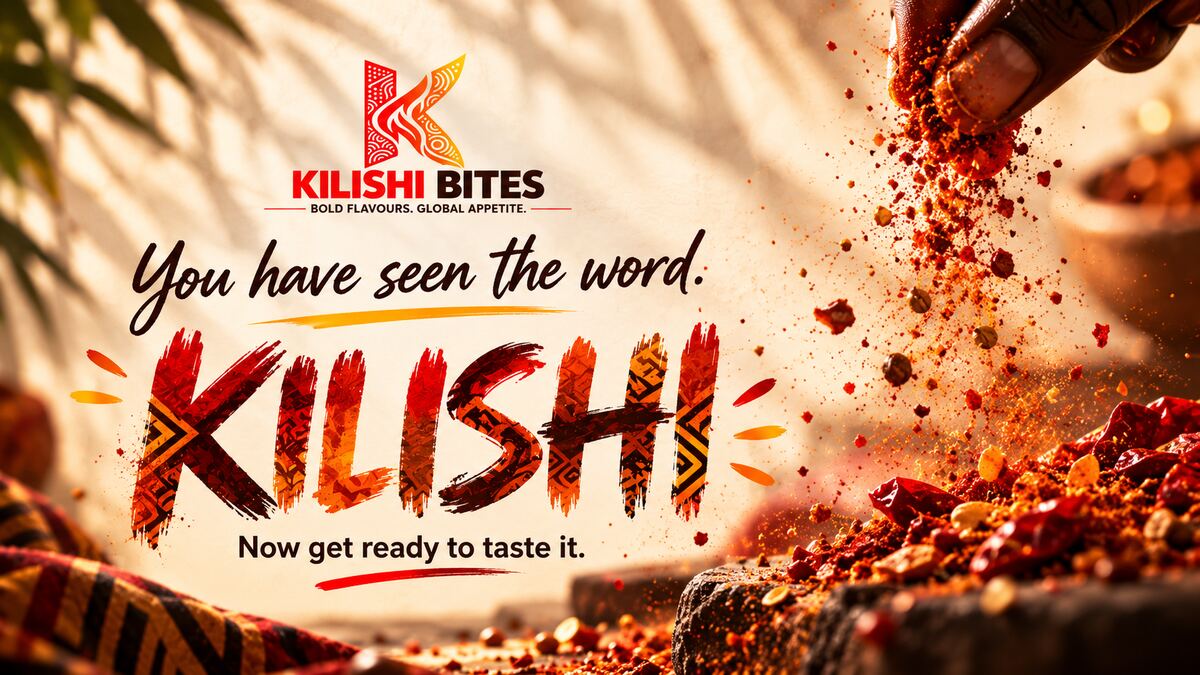
Out-of-home
Transit and street placements in the four launch cities do the heavy lifting on reach, and carry a QR code into the landing page where the pronunciation audio and cultural context live.
The city installations
The one piece of the campaign that cannot be scrolled past. Three-metre KILISHI letters with a missing final character and an oversized question mark, placed in a public square in each launch city. Each build is addressed to its own city, with a QR panel for people to submit a guess, which also feeds the campaign's earned and shared activity.
Social and creator content
Launch: the answer
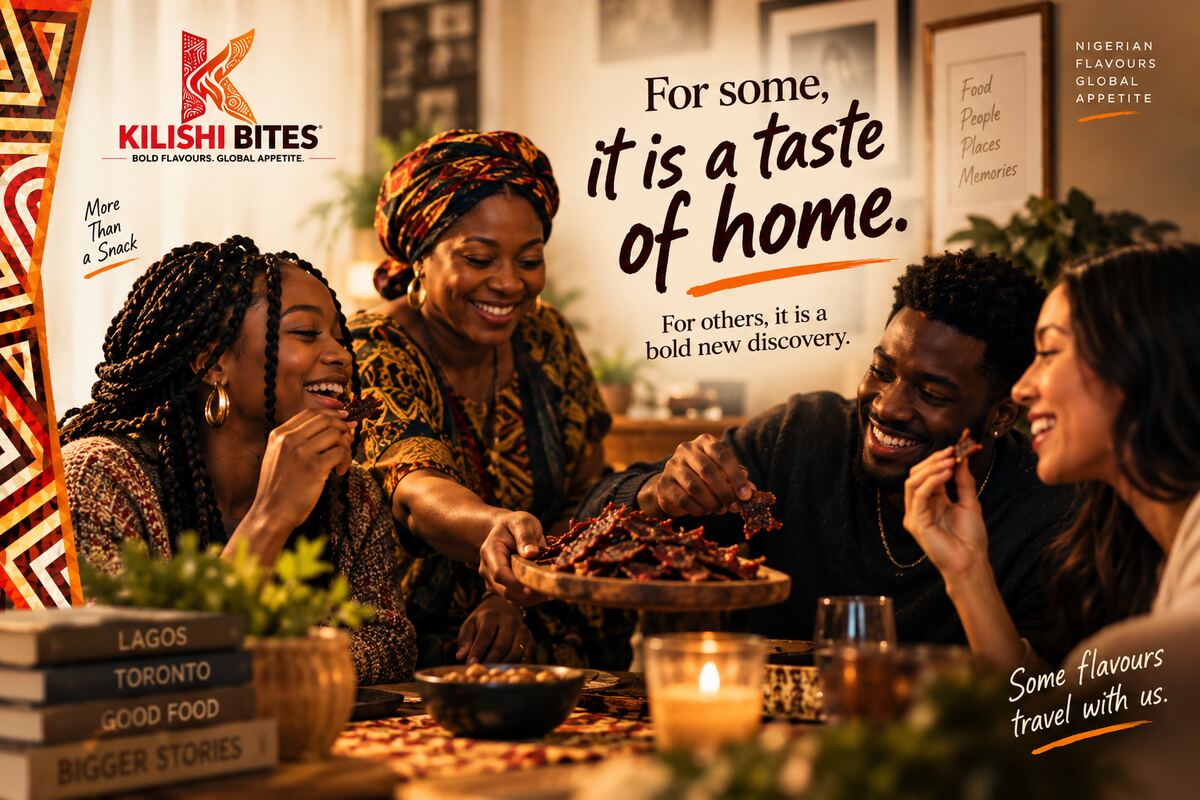
Launch creative does three things in order. It defines the product in one plain sentence, it shows the full range so shoppers can self-select on heat and diet, and it places the product inside a Canadian moment rather than an imported one.
Getting it to shelf
A launch plan that stops at creative is a mood board. The back half of this project is the part that decides whether any of it reaches a shopper: who stocks it, when the media runs, what it costs and how anyone would know if it worked.
- Phasing
- Pre-launch, weeks −4 to 0: build curiosity, seed creators, complete retailer sell-in. Launch, months 1–3: maximise awareness and trial. Sustain, months 4–9: improve conversion and repeat. Seasonal bursts in summer and Q4 for outdoor snacking and holiday gifting.
- Retail priorities
- Loblaws, Sobeys, Metro, Walmart and Amazon.ca. Ethnic and premium snack sets, endcaps during culturally relevant periods, in-store sampling, two or more facings per SKU, and guaranteed availability during media bursts.
- E-commerce
- Search-optimised product titles, A+ content, product education, reviews, sponsored products, variety packs and subscriptions.
- Budget
- An illustrative CAD 950,000 Year-1 marketing investment: 35% brand media, 25% trade support, 20% retail media and e-commerce, 12% creative production and localisation, 5% research and measurement, 3% contingency. Trade spend, warehousing and logistics sit outside this.
- Measurement
- A KPI per funnel stage: aided and unaided awareness and ad recall; search volume, site visits and product-page engagement; sampling conversion and coupon redemption; add-to-cart, ROAS and units per store per week; repeat purchase, subscription rate, NPS and reviews; listings, facings and share of shelf; and contribution after trade spend.
- Learning agenda
- Six live tests in year one, including cultural storytelling against product-benefit messaging, Mild against Spiced as the first-trial SKU, and sampling against discount as the trial driver.
What I would want checked before anyone spent money
This is a conceptual campaign. Kilishi Bites is a fictional brand created for an academic integrated marketing communications project. Nothing here was produced, media-tested or sold, and the budget and KPI targets are illustrative.
Market sizing is cited from MarketLine and Statista, and the two sources disagree because they define the savoury snacks category differently. I have shown both rather than picking the more flattering one.
Campaign imagery was produced using generative AI tools as part of concept development, in the same way a mood film or a comp would be used to sell an idea before production.
My own recommendation in the deck was to validate market size, financial assumptions, health and halal claims, and the product naming with legal and regulatory review before any of this went to final approval. In a real launch, the vegan variant naming and the heat-level communication would be the first two things I would test.
Got a brief that needs taking from insight to shelf?
I am looking for a creative marketing role with a Canadian agency or in-house team. The fastest way to reach me is email, and I reply to everything.